Φορτηγά: Πώς η σωστή οδήγηση μειώνει καύσιμα, φθορές και έξοδα συντήρησης
Mercedes, Scania, Iveco ή… BYD; Ποιο φορτηγό προσφέρει υψηλότερη ασφάλεια;

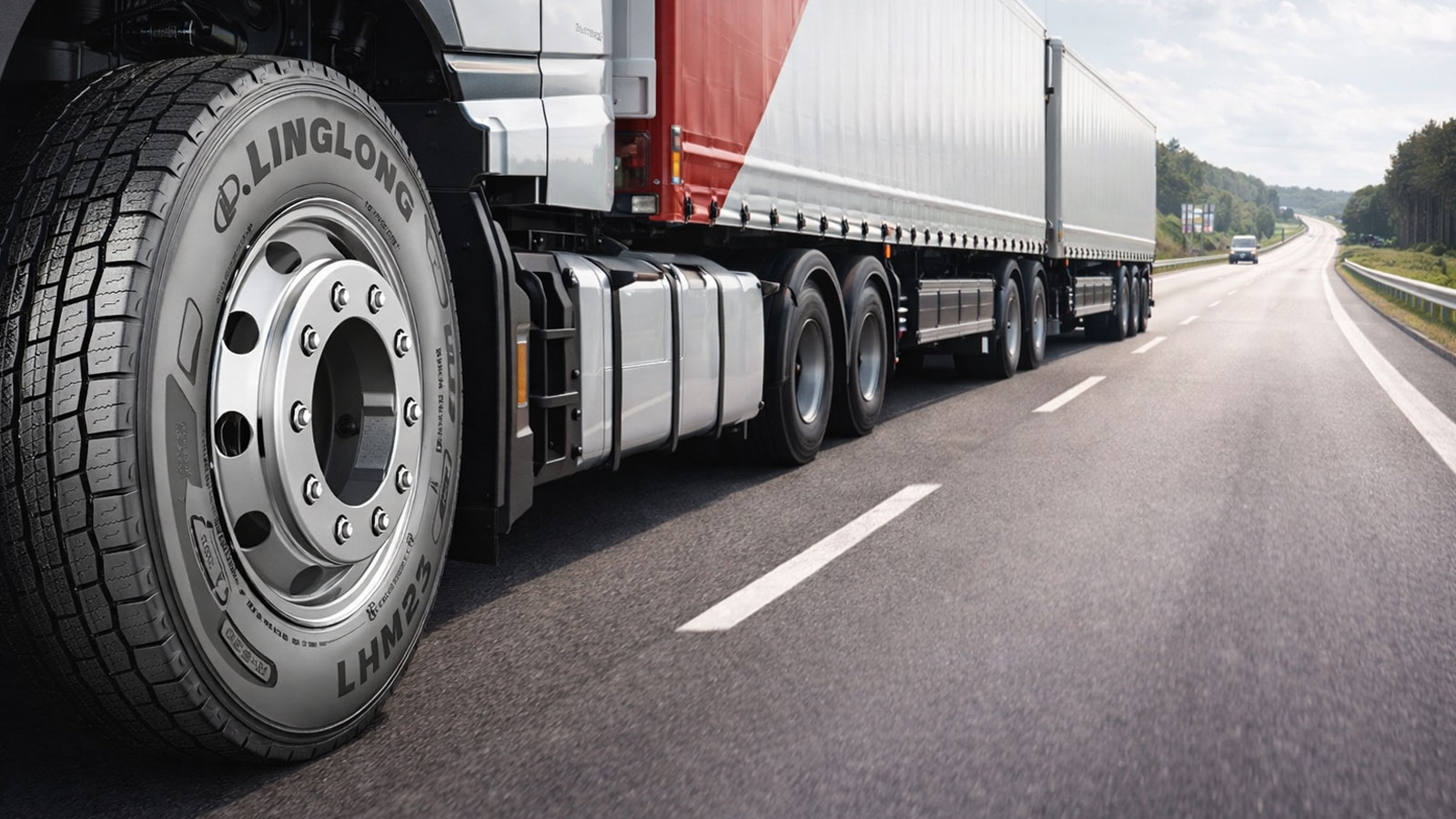
Linglong in the Truck Tyre Market: Why Fleets in Greece Are Taking a Closer Look.
From a 150+ point support network in Greece to fit-for-purpose tyre options for steer, drive and trailer use, Linglong is building its case around practical fleet needs.
Retreadability, wet grip, wear performance and European production are all part of the conversation — but the bigger story may be its value-for-money positioning in a market dominated by premium brands.
In the commercial tyre business, professionals do not simply buy tyres. They buy durability, availability, support and, ultimately, peace of mind — whether they are owner-drivers or fleet managers responsible for keeping vehicles moving every day.
That is why the discussion never stops at purchase price alone. The real question is what a tyre will cost over time, how easily it can be sourced when needed, and whether it is truly suited to the job it is expected to do.
This is the space where Linglong is trying to strengthen its position in Greece. Its pitch is not built only on brand visibility, but on a more practical promise: broad local support, application-specific truck tyres and a clear value-for-money proposition. For fleet operators, that often matters more than a generic claim of “good quality”.
One of the first things a transport operator looks at is not necessarily the brand name on the sidewall, but whether there is real support behind it. In truck tyres — and in fleet operations in general — the network makes a difference. If a product is not backed properly in the field, its theoretical strengths quickly become less relevant.
In Greece, Linglong is supported by TENORA TECHNIKI, part of the Tournikiotis Group, through a network of more than 150 support points. For a fleet, that means better access to product, faster response when a replacement is needed and less uncertainty when service issues arise.
In day-to-day transport operations, speed of support is critical. A tyre that is difficult to source, or a service point that is too far away, can translate directly into downtime. And downtime often costs more than the initial price difference between two tyres. That is why network coverage is not just a commercial advantage — it is a practical operating asset.
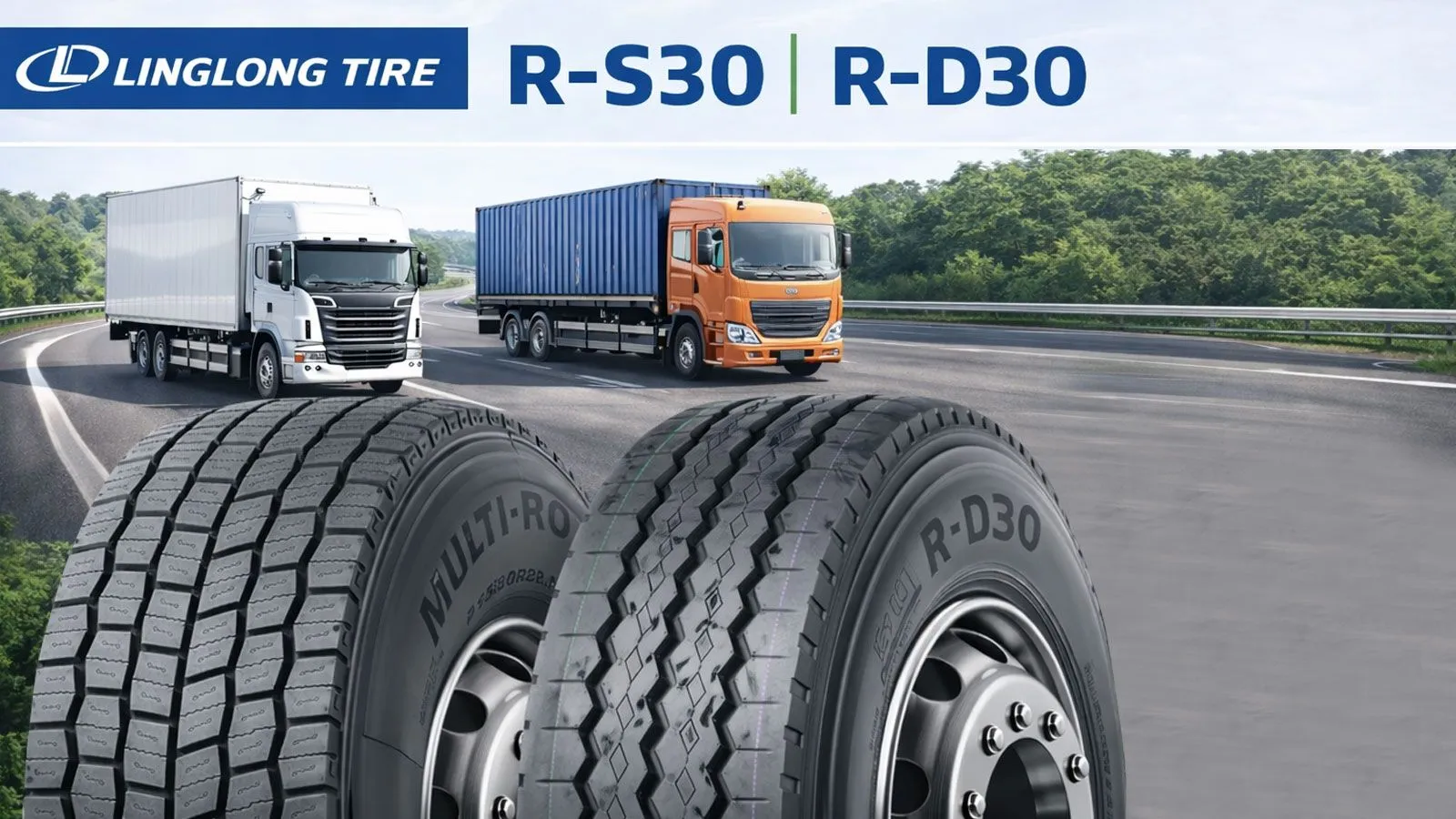 The R-S30 is positioned for steer axle or trailer applications, depending on size, while the R-D30 is aimed at the drive axle, where load and operating stress are typically much higher.
PRO.autotriti.gr | Ταυτότητα
Επωνυμία Επιχείρησης: AUTO ΤΡΙΤΗ ΑΕ
Έδρα - Γραφεία: Λεωφόρος Αμαρουσίου 14 - Νέο Ηράκλειο, Τ.Κ. 141 22
Νομική Μορφή: ΕΚΔΟΤΙΚΗ ΕΤΑΙΡΕΙΑ
Α.Φ.Μ.: 998384177
Δ.Ο.Υ.: ΚΕΦΟΔΕ
Στοιχεία Επικοινωνίας:
E-mail: [email protected]
Τηλέφωνο: 211 1085500
Ιστοσελίδα: PRO.autotriti.gr
Διοικητικά Στελέχη
Ιδιοκτήτες & Κύριοι Μέτοχοι: Δανάη Τριανταφύλλη – Δάφνη Τριανταφύλλη
Νόμιμος εκπρόσωπος - Διευθυντής: Νίκος Καρανάσιος
Διαχειριστής ονόματος τομέα: ΑUTO ΤΡΙΤΗ Α.Ε.